Uganda commemorates World Press Freedom Day 2026
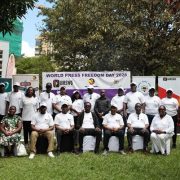
Uganda honored World Press Freedom Day 2026 at the Uganda Broadcasting Corporation (UBC) grounds. The event was organized by Uganda Media Sector Working Group (UMSWG), a multi-stakeholder platform launched in March 2021, with its partners including the Media Council of Uganda, Uganda Human Rights Commission (UHRC), National Broadcasters Association, Uganda Editors’ Guild, and various media owners.
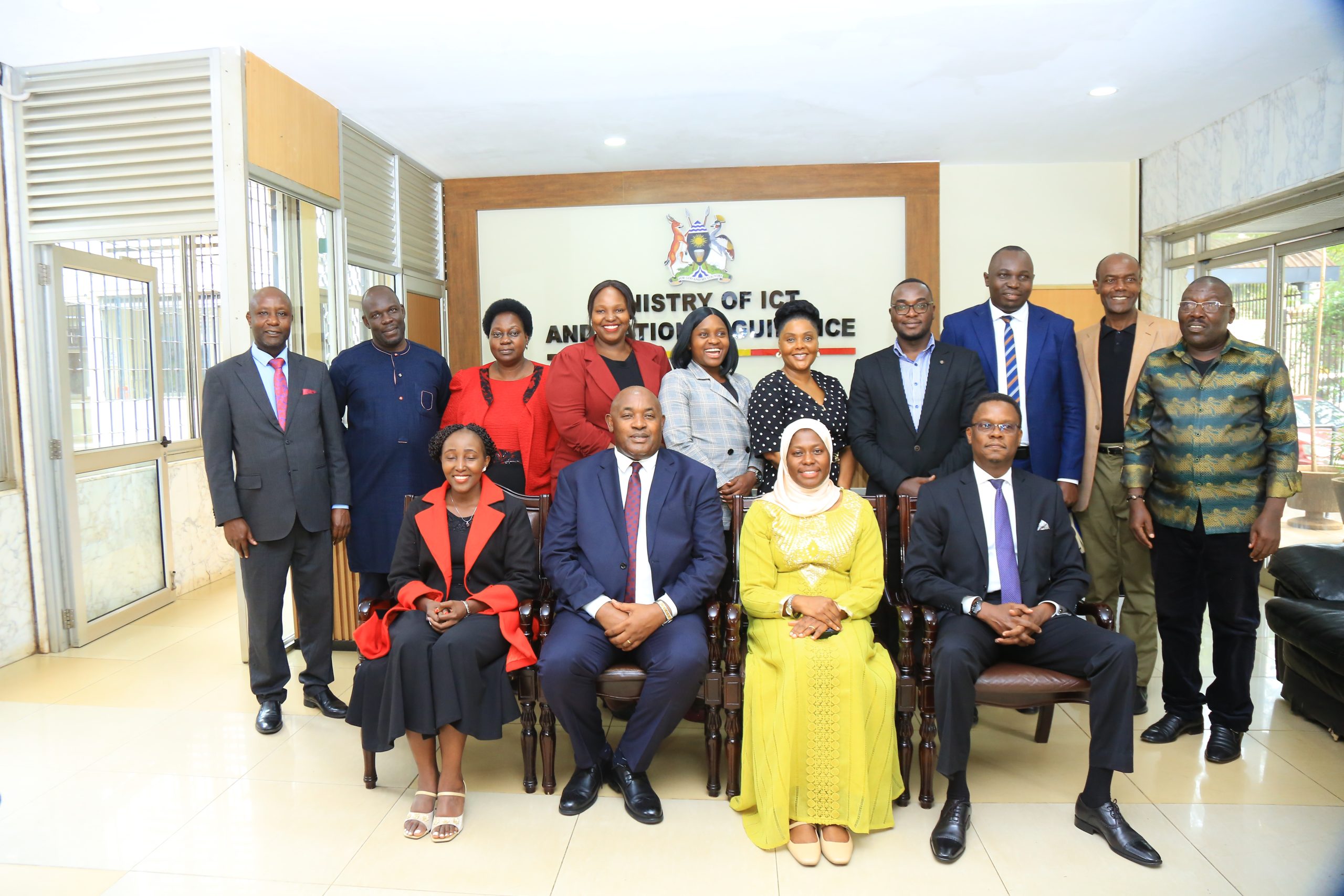
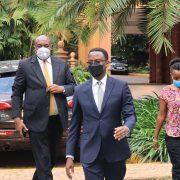
The commemoration commenced with a symbolic walk led by Hon. Kabyanga Godfrey Baluku, State Minister for National Guidance at the Ministry of ICT and National Guidance. His remarks framed the day’s discussions around both the gains made and the responsibilities that come with a vibrant media sector.
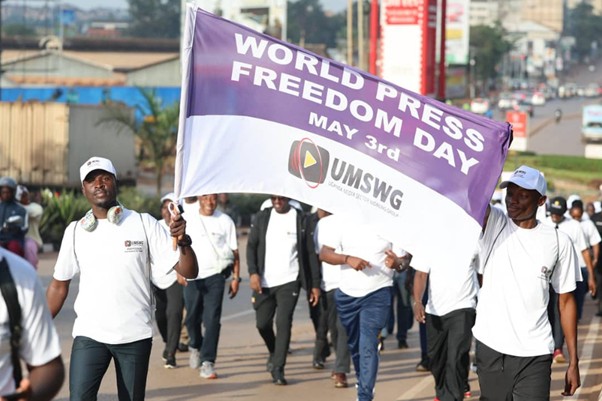
The Media fraternity symbolic walk for commemoration of Press Freedom.
The fundamental concept throughout the event was: a free press is deeply connected to national stability, transparency, and progress rather than standing alone as an abstract principle. This was well aligned with the global theme, “Shaping a Future at Peace,” alongside Uganda’s national focus on promoting press freedom as a pillar for human rights, development, and security.
Uganda currently hosts an estimate of 315 radio stations, more than 60 television channels, over 50 print, 70 plus online platforms and an increasingly influential digital space. With internet access reaching a significant portion of the population of over 30 million people, the flow of information is no longer confined to traditional structures but shaped by a diversity of voices. Social media platforms, in particular, have transformed how information is shared, enabling real-time public engagement and widening participation in national discourse.
“We’re not about to suppress Media freedoms.” said Hon. Kabyanga, addressing the participants, dismissing concerns about suppression. However, he underscored the need for professionalism, urging journalists to avoid inflammatory content, verify facts, and present balanced reporting. His message highlighted a key principle: the credibility of the media depends on how responsibly its freedoms are exercised.
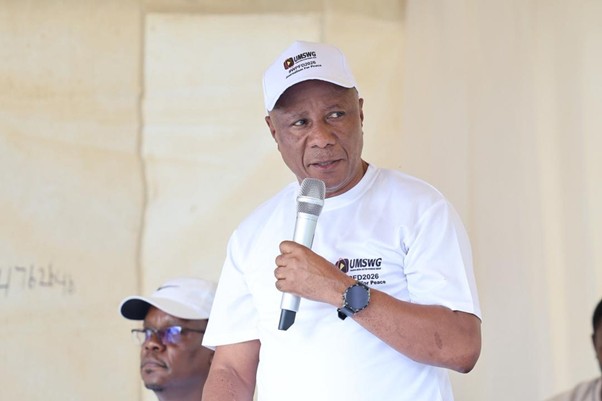
Hon. Godfrey Kabyanga Baluku, State Minister for National Guidance speaking to the attendees.
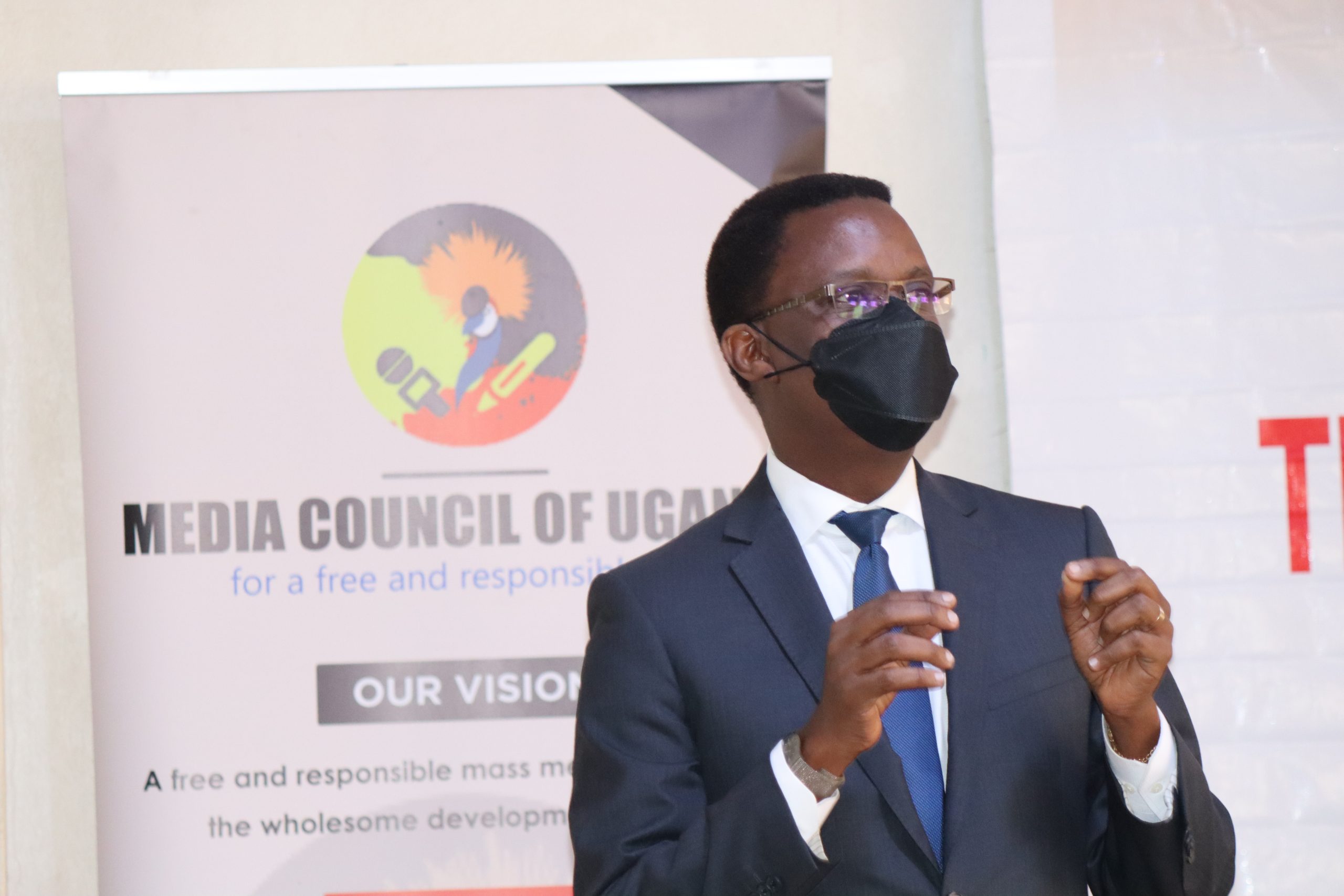
A cautionary note came from Paulo Ekochu, Chairperson of the Media Council of Uganda stressing that freedom without responsibility weakens the integrity of the profession, while responsibility without freedom limits.
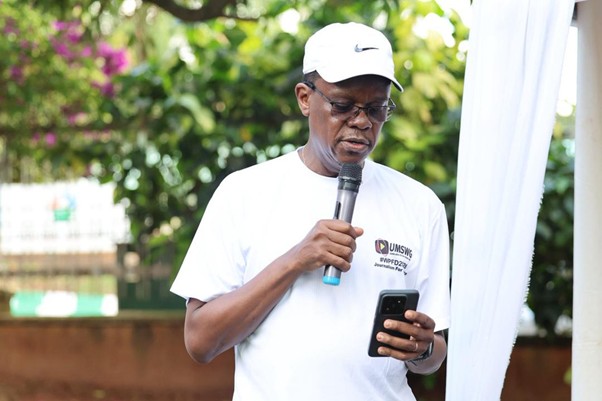
Paulo Ekochu, Chairperson Media Council of Uganda addressing the participants.
The celebration also paid tribute to distinguished journalists through the Lifetime Achievement Award. Sheila Kawamara Mishambi was recognized for her coverage of the 1990-1994 Rwanda conflict and genocide, while John Muto Ono P’Lajur was acknowledged for his reporting on the Northern Uganda conflict from 1986 to 2006. Their contributions reflect the courage and dedication required to document complex and often dangerous events during periods of crisis.
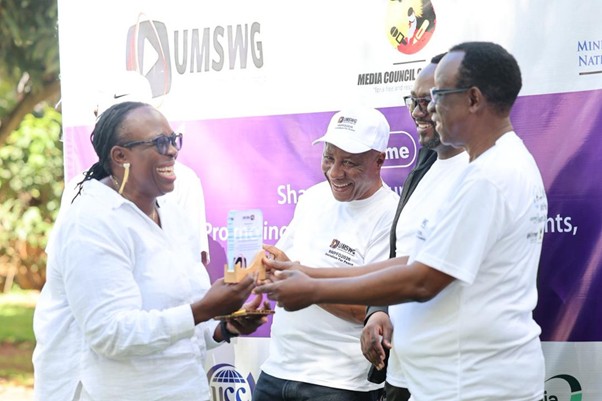
Sheila Kawamara receiving her award.
Discussions also tapped into the growing role of artificial intelligence in journalism. While these technologies offer efficiency and innovation, they bring risks such as misinformation, deepfakes, and potential erosion of public trust. The consensus was clear: technological tools should enhance journalistic work, but human judgment must remain central.
As the commemoration concluded, the overarching message was evident. Uganda’s media sector is not only dynamic but also influential in shaping public opinion and national dialogue. Safeguarding its independence while strengthening ethical standards is essential to ensuring it continues to serve society effectively.
The writer; Ms. Shamirah Matovu is a member of The Media Council of Uganda.